There’s more to tracing the genesis of a masterpiece than simply studying the score; it requires standing in the light that first illuminated the composer’s mind. For any conductor, visiting the town of Rapallo on the Italian Riviera is a profound experience of the “Mediterranean light” that infuses Sibelius’s life-affirming 2nd Symphony.
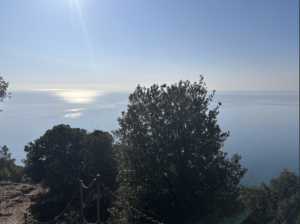
Earlier this month, as part of my ongoing research into Sibelius’s creative process, I had the pleasure of spending time in this light.
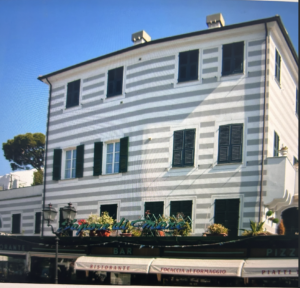
During the winter and spring of 1901, Sibelius stayed at Rapallo’s Pension Suisse. Located on the main promenade and looking exactly the same now as in 1901, an apartment in this building was home for Sibelius, his wife Aino, and their daughters. Here, where the the rhythms of Italian life are imbued by the sight and sound of mediterranean waves, you can really feel the atmosphere that Sibelius’ benefactor, Axel Carpelan hoped would give Sibelius the experience of “cantabile, balance, and harmony”.
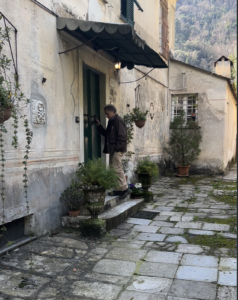
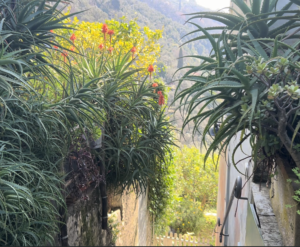
In order to have the space to channel his inspiration, Sibelius rented a separate workspace at the Villa Molfino located in the rolling hills above Rapallo. It was in this “garden full of roses and cypresses” that the first sketches of the Second Symphony were born. To stand here today is to see the exact landscape that inspired the symphony’s pastoral warmth.
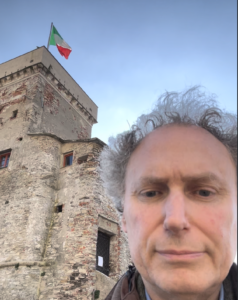
The Little Castle on the water, within sight of Sibelius’s lodgings is more than a landmark the composer experienced every day; it is a psychological anchor. Sibelius’s sketches record a midnight vision of a wandering stranger – death – entering his “castle” a moment that directly inspired the haunting bassoon theme of the symphony’s second movement.
Experiencing these original sources firsthand provides an access to the heartbeat of the music. As a result – the “confession of the soul” that Sibelius described in Rapallo feels remarkably present.